● On call every hour of every day
Eagle, WI's Crawl Space Encapsulation Crew: Dry Crawl Space, Healthier Home Above It
We start by pumping out any standing water, then move straight into liner installation and humidity control.
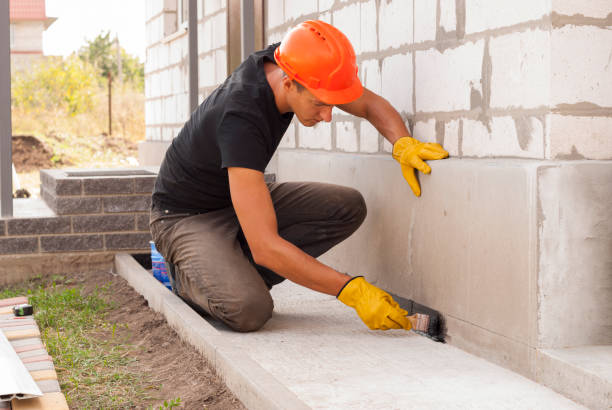
We start by pumping out any standing water, then move straight into liner installation and humidity control.
Eagle, WI crawl spaces vary a lot in how they were originally built, and a liner that's correct for one home can be undersized for another depending on foot traffic and storage use. We size thickness to how the space is actually used.
We follow manufacturer specs on liner overlap and seam tape so the barrier actually holds up over time.
Eagle, WI crawl space calls get scheduled fast, especially when there's standing water or an active mold smell involved.
Pricing is based on your crawl space's actual square footage and condition, quoted in writing before liner installation begins.
A dedicated crawl space dehumidifier is sized to your square footage, not a one-size-fits-all unit.
We scope every Crawl Space Encapsulation job in person before quoting it, since two properties with the same symptom rarely need the same fix.
Extraction equipment includes submersible pumps sized for tight crawl space access points.
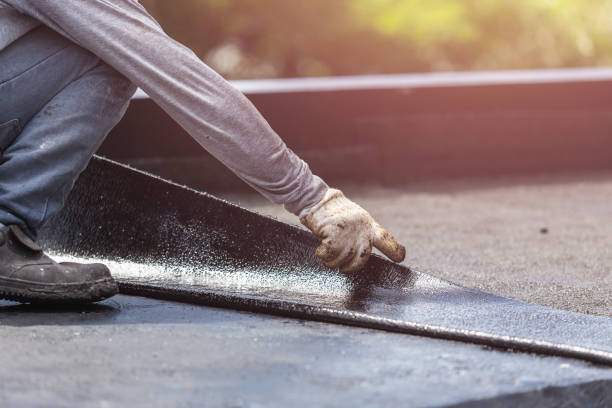
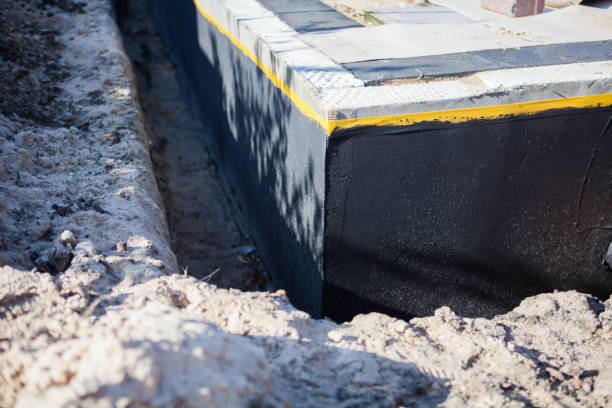
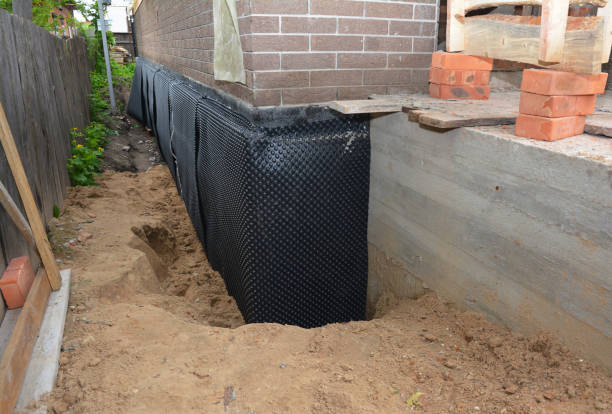
We install heavy-duty liner rated for crawl space conditions, sealed at every seam and pier to stop ground moisture from reaching the floor joists.
Open foundation vents pull in humid outside air, which is often the real driver of Eagle, WI crawl space condensation — we seal them as part of encapsulation.
A crawl space needs its own sump basin and discharge line separate from any basement system, since the two spaces drain differently.
Exposed ductwork inside an unencapsulated crawl space collects condensation, which we address by insulating and sealing ducts while the space is open.
This helps us bring the right liner thickness and dehumidifier size on the first visit.
We take humidity and moisture readings to establish a baseline before recommending a system.
We explain trade-offs between liner thickness options so you can choose what fits your budget and goals.
Most residential encapsulations finish in one to two days depending on square footage and access.
"Our crawl space had standing water and a mold smell we couldn't get rid of no matter what we tried. Full encapsulation with a dehumidifier fixed it in one visit."
— Eagle Homeowner
"Wood floors upstairs were starting to cup from crawl space humidity. Encapsulation plus a dehumidifier stopped it before we had to replace flooring."
— Eagle Customer
"Access to our crawl space is tight and awkward, but the crew didn't seem bothered by it at all."
— Eagle Homeowner
"Humidity reading before was over 80%. After encapsulation it's holding steady in the 50s."
— Eagle Customer
A vapor barrier is just the liner on the ground; full encapsulation seals vents, walls, and often adds a dehumidifier for complete moisture control.
Most residential spaces do well with a 12-15 mil liner; spaces used for storage or with foot traffic often need 20 mil for durability.
Some jurisdictions have code requirements around vent sealing, which we'll flag during the inspection if relevant.
If the smell persists after encapsulation, that usually points to a separate moisture source we'd need to investigate.
Yes — we extract existing water first, then proceed with liner and vent sealing once the space is dry enough to work safely.
Spaces with extensive prior water damage or debris may take longer — we'll give you a realistic estimate up front.
We encapsulate crawl spaces throughout Eagle and the surrounding Eagle, WI service area, including the zip codes listed below.
Zip codes we serve in Eagle, WI: 53119
One call gets you a licensed specialist, a written quote, and a same-day time window.
Call +1-866-476-1348© SGP Waterproofing. All rights reserved.